
Table of Contents
Introduction: The Importance of Home Office Storage
The shift towards home working in the UK has accelerated dramatically in recent years, and 2026 sees this trend continuing. While offering flexibility, it also presents unique challenges – primarily, maintaining a productive and professional workspace within the home. A cluttered workspace equates to a cluttered mind, hindering focus, impacting wellbeing, and even affecting your professional image during video calls. Effective home office storage isn’t just about tidiness; it’s an investment in your productivity and mental health.
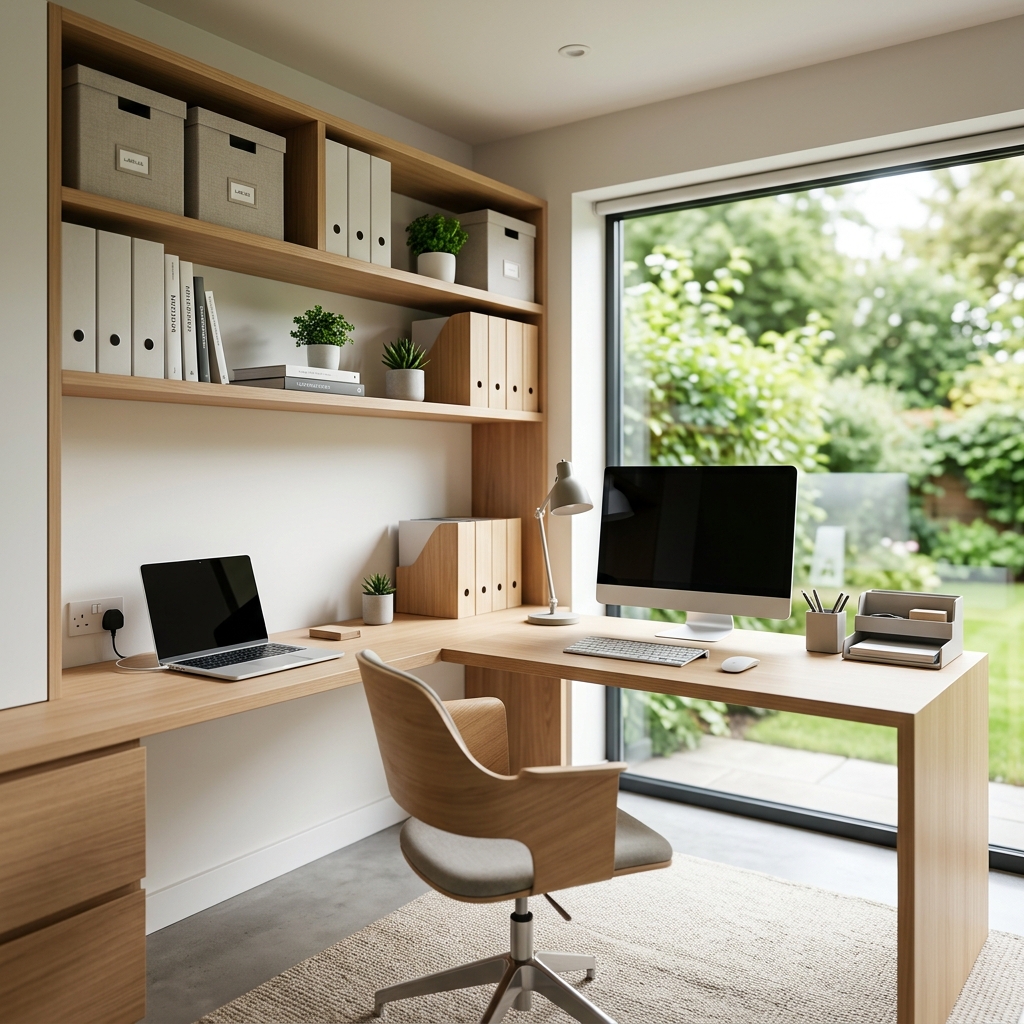
Looking ahead to 2026, key trends in home office storage include minimalist aesthetics, a demand for ‘smart’ storage solutions incorporating technology, and multi-functional furniture designed to maximise space. We’ll explore these trends throughout this guide, helping you create a home office that works *for* you.
Understanding Your Storage Needs
Before diving into specific storage solutions, it’s crucial to assess your individual requirements. Consider these questions:
- How much space do you have? A spare bedroom allows for more expansive solutions than a corner in the living room.
- What needs storing? Documents, stationery, equipment (printers, scanners), books, and personal items all require different storage approaches.
- What’s your work style? Are you a paper-based worker, a digital nomad, or a hybrid?
Categorise your storage needs into these sections:
- Daily Access: Items you use several times a day (pens, notepads, current project files).
- Infrequent Use: Items needed occasionally (reference books, archived documents).
- Confidential Items: Sensitive documents requiring secure storage (lockable cabinets).
Types of Home Office Storage: A Comprehensive Overview
Shelving Units
A classic choice, shelving units come in various styles. Open shelving provides easy access but can look cluttered. Floating shelves offer a minimalist look, while corner shelves maximise space in awkward areas.
Cabinets & Cupboards
Ideal for concealing clutter and securing sensitive documents. Filing cabinets are specifically designed for paperwork. Lockable cabinets provide enhanced security. Tall storage cabinets offer maximum capacity in a small footprint.
Desk Organisers
Essential for keeping your desk surface clear. Desk tidies hold pens, pencils, and other small items. Drawer dividers organise desk drawers. Monitor stands with storage raise your monitor to a comfortable height while providing storage underneath.
Wall-Mounted Storage
Excellent for saving floor space. Pegboards are versatile and allow for customisable storage. Wall pockets are great for mail and small documents. Magnetic boards can hold notes and reminders.
Under-Desk Storage
Utilise the often-unused space under your desk. Rolling carts provide mobile storage. Small cabinets offer discreet storage. Pull-out drawers are convenient for frequently used items.
Vertical Storage Solutions
Maximise height with tall, narrow units. These are particularly useful in small spaces, drawing the eye upwards and creating a sense of spaciousness.
Top Storage Solutions for Small Home Offices
Limited space demands clever solutions. Consider these:
- Multi-functional furniture: A desk with built-in drawers and shelving.
- Wall-mounted options: Floating shelves and pegboards.
- Vertical storage: Tall, narrow shelving units.
- Clever use of corners: Corner shelves or a corner desk with storage.
Budget-friendly options include the Argos Home Montana 5-Tier Shelving Unit (£60) and the Amazon Basics Mesh Desk Organizer (£20).
Storage for Larger Home Offices: Creating a Dedicated Workspace
With more space, you can embrace dedicated storage solutions. Options include:
- Larger shelving units: To accommodate a growing collection of books and documents.
- Dedicated filing areas: A separate area solely for organising paperwork.
- Room dividers with storage: Create distinct zones while adding storage capacity.
- Display items alongside storage: Showcase awards, plants, or personal items on shelves alongside storage boxes.
Smart Storage Solutions & Tech Integration (2026 Trends)
2026 sees a rise in ‘smart’ storage. Biometric Lockable Filing Cabinets (£250) offer enhanced security with fingerprint access. Integrated cable management systems within desks and cabinets keep wires tidy. Some furniture now features app-controlled storage solutions, allowing you to remotely lock or unlock cabinets. The Autonomous SmartDesk Corner (£800) is a prime example, with integrated storage and wireless charging capabilities.
Furthermore, AI-powered organization tools are becoming more prevalent, suggesting optimal filing systems and reminding you of document locations.
Budget vs. Premium: Finding the Right Balance
Storage solutions range dramatically in price. IKEA offers affordable options like the Alex Filing Cabinet (£85), while higher-end brands provide superior quality and durability.
| Feature | Budget (IKEA) | Premium (John Lewis/Habitat) |
|---|---|---|
| Price | £60 – £100 | £120 – £300+ |
| Materials | Particleboard, Melamine | Solid Wood, Metal |
| Durability | Good for light use | Excellent for frequent use |
| Aesthetics | Functional, Scandinavian | Stylish, Modern |
Investing in quality is worthwhile for frequently used items like filing cabinets and desk organisers. However, for less-used storage, budget options can be perfectly adequate.
UK Retailers for Home Office Storage
- IKEA – Wide range of affordable options.
- Argos – Convenient and competitive pricing.
- John Lewis – High-quality, stylish options.
- Wayfair – Extensive selection and frequent sales.
- Dunelm – Homeware and furniture, including storage solutions.
- Independent furniture stores – Offer unique and handcrafted pieces.
Conclusion: Creating a Functional & Stylish Home Office
Creating a productive and stylish home office is within reach. The key is careful planning and choosing storage solutions that align with your individual needs, space, and budget. Don’t underestimate the power of a well-organised workspace – it’s an investment in your wellbeing and professional success. Embrace the trends of 2026, incorporating minimalist aesthetics, smart technology, and multi-functional furniture to create a space that inspires productivity and promotes a healthy work-life balance.
FAQ
Q: How often should I declutter my home office?
Ideally, declutter at least twice a year – once in the spring and once in the autumn. Regular, smaller decluttering sessions (15-30 minutes per week) can also prevent clutter from building up.
Q: What’s the best way to organise digital files?
Create a clear folder structure and use consistent naming conventions. Regularly back up your files to a cloud service or external hard drive. Consider using a document management system for larger volumes of files.
Q: Are wall-mounted shelves safe for heavier items?
Ensure the wall is suitable for supporting the weight. Use appropriate wall plugs and screws, and follow the manufacturer’s instructions carefully. If in doubt, consult a professional.
Q: How can I make my small home office feel bigger?
Use light colours, maximise natural light, and utilise vertical storage. Choose multi-functional furniture and keep surfaces clear. Mirrors can also create the illusion of space.
Q: What’s the most cost-effective way to start organising my home office?
Start with what you already have! Repurpose boxes, jars, and other containers. Then, focus on affordable solutions like desk tidies, drawer dividers, and basic shelving units from IKEA or Argos.