
Table of Contents
Introduction: The Rise of the UK Home Office
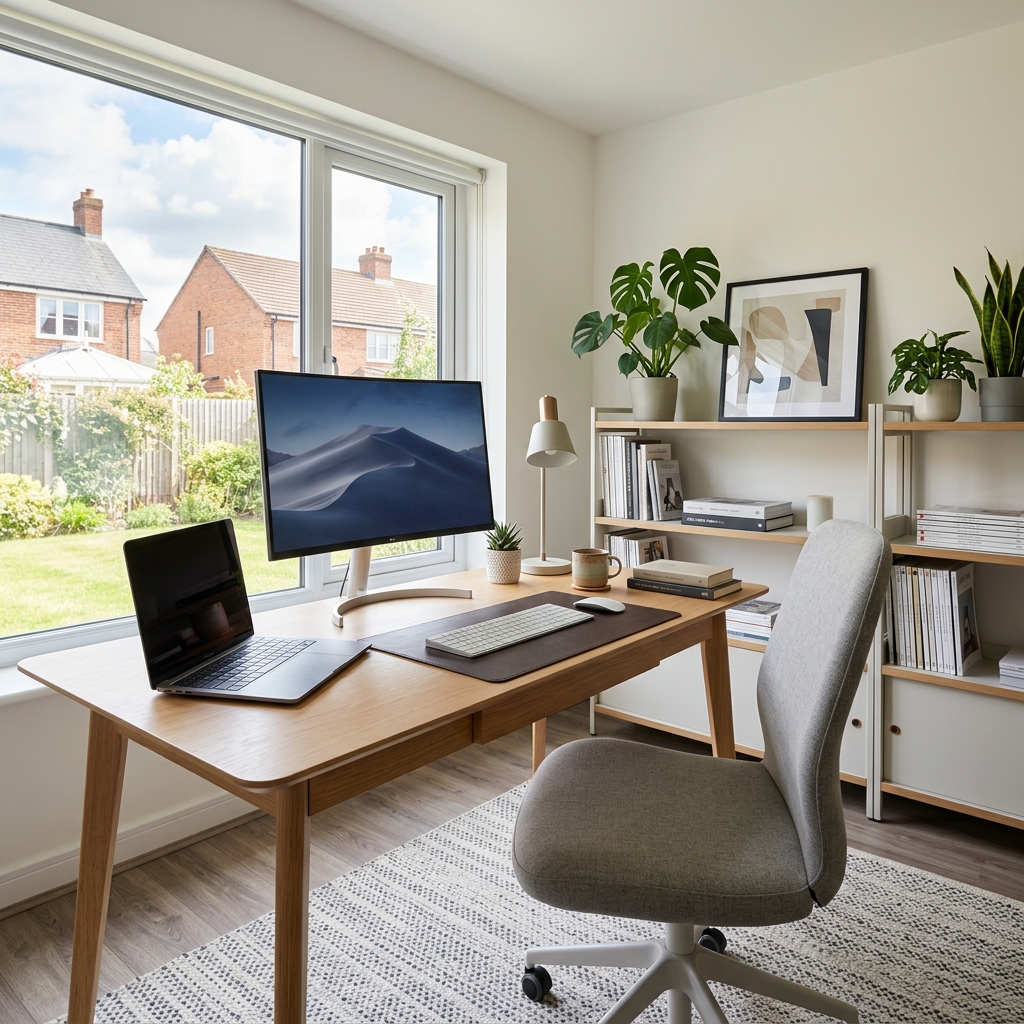
The landscape of work in the UK has been dramatically reshaped in recent years. The post-pandemic era of 2026 sees remote and hybrid working models firmly established. No longer a temporary solution, the home office is now a core component of the professional lives for millions. This shift underscores the crucial importance of a dedicated, well-designed workspace. It’s not just about having a place to sit and work; it’s about creating an environment that fosters productivity, supports wellbeing, and reflects your personal style. In 2026, the demand for functional *and* aesthetically pleasing home offices is higher than ever, as employers and employees alike recognise the impact of surroundings on performance and morale.
Understanding Your Home Office Needs
Before diving into aesthetics, it’s vital to define your specific requirements. Consider these questions:
- Job Type: What tasks do you primarily perform? (Writing, video conferencing, design, data analysis, etc.)
- Space Availability: Do you have a dedicated room, a corner of a room, or a multi-purpose space?
- Storage Requirements: How much paperwork, equipment, and supplies do you need to store?
- Technology Needs: How many monitors, devices, and peripherals will you be using?
- Personal Style: What kind of aesthetic appeals to you and inspires you?
Quick Self-Assessment:
- I primarily work with physical documents: ( ) Yes ( ) No
- I spend a lot of time on video calls: ( ) Yes ( ) No
- I need a large, clear workspace: ( ) Yes ( ) No
- I prefer a minimalist aesthetic: ( ) Yes ( ) No
- I need readily accessible storage: ( ) Yes ( ) No
Your answers will help narrow down the best furniture and design choices for your needs.
Home Office Styles: Finding Your Aesthetic
Here’s a look at some popular home office styles:
- Minimalist: Clean lines, neutral colours, decluttered surfaces. Focuses on functionality and simplicity.
- Scandinavian: Light woods, muted colours, natural textures. Emphasises warmth, comfort, and a connection to nature.
- Industrial: Exposed brick, metal accents, reclaimed wood. Creates a raw, urban feel.
- Bohemian: Mix of patterns, textures, and colours. Eclectic and free-spirited.
- Modern Farmhouse: Combines rustic charm with modern convenience. Neutral colours, shiplap walls, and comfortable furnishings.
- Coastal: Light and airy, with blues, whites, and natural materials. Evokes a sense of calm and relaxation.
(Images illustrating each style would be included here in a real article.)
Consider your personality and work style when choosing a style. A creative professional might thrive in a Bohemian environment, while someone in finance might prefer the order and focus of a Minimalist setup.
Colour Palettes for Productivity & Wellbeing
Colour psychology plays a significant role in your workspace. In 2026, Pantone predicts a move towards grounding, earthy tones alongside pops of energizing brights. Think shades of terracotta, sage green, and deep ocean blues combined with optimistic coral accents.
- Blue: Promotes calmness, focus, and productivity.
- Green: Associated with nature, growth, and wellbeing. Reduces stress and enhances creativity.
- Yellow: Boosts energy and optimism. Use sparingly, as too much can be overwhelming.
- Grey: Neutral and sophisticated. Provides a calming backdrop for other colours.
- White: Creates a sense of spaciousness and clarity.
Consider a calming base of grey or blue with accents of terracotta or sage green for a productive and inviting atmosphere.
Essential Furniture: Desk, Chair & Storage
Investing in quality furniture is crucial for comfort and productivity.
Desks
Standing Desks: Increasingly popular for health benefits. The IKEA Bekant Standing Desk (£650.0) offers a good starting point.
Corner Desks: Maximize space utilization.
Space-Saving Options: Wall-mounted desks or fold-away desks are ideal for small spaces.
Ergonomic Chairs
A good ergonomic chair is essential for preventing back pain and promoting good posture. Look for adjustable height, lumbar support, and armrests. The Herman Miller Aeron Chair (£1500.0) is a premium option, but various budget-friendly alternatives are available from retailers like John Lewis or Argos.
Storage Solutions
Shelving, drawers, and cabinets are essential for organization. The Grovemade Walnut Desk Shelf (£220.0) offers a stylish and functional storage solution. Consider floating shelves to save floor space.
Lighting: Creating the Right Ambiance
Natural light is ideal, but often insufficient. Layer your lighting with a combination of ambient, task, and accent lighting.
- Desk Lamps: Essential for focused task lighting. The Philips Hue Smart Desk Lamp (£180.0) offers adjustable brightness and colour temperature.
- Floor Lamps: Provide ambient lighting and create a warm atmosphere.
- Overhead Lighting: Ensure adequate general illumination.
Opt for LED bulbs with a colour temperature of around 4000K for optimal productivity.
Accessories & Personal Touches
Personalize your space with artwork, plants, rugs, and cushions. Add a motivational quote or a vision board to inspire you. Plants not only add visual appeal but also improve air quality.
Small Home Office Ideas: Maximising Space
Limited space? No problem! Here are some ideas:
- Multi-Functional Furniture: A desk that doubles as a dining table or a storage ottoman.
- Vertical Storage: Utilize wall space with shelves and cabinets.
- Corner Spaces: Transform unused corners into functional offices.
- Fold-Away Desks: Perfect for temporary workspaces.
Budget-Friendly Home Office Decor (Under £500)
Creating a stylish office doesn’t have to be expensive.
- Shop Second-Hand: Check out charity shops, online marketplaces, and car boot sales.
- DIY Projects: Repurpose old furniture or create your own artwork.
- Focus on Essentials: Prioritize a comfortable chair and a functional desk.
- Affordable Accessories: Look for bargains at retailers like B&M or Home Bargains.
Tech Integration: Seamlessly Blending Technology
Keep cables organized with cable management sleeves and boxes. Use monitor arms, like the Ergotron LX Desk Mount LCD Arm (£279.99), to free up desk space and improve ergonomics.
Future Trends in Home Office Design (2026)
Expect to see these trends gaining momentum:
- Biophilic Design: Incorporating natural elements like plants, wood, and natural light.
- Smart Home Integration: Voice-controlled lighting, temperature, and security systems.
- Flexible Workspaces: Modular furniture and adaptable layouts.
- Wellness Focused Design: Prioritizing ergonomic furniture, natural light and calming colours.
Conclusion: Your Dream Home Office Awaits
Creating a productive and stylish home office is an investment in your wellbeing and professional success. By carefully considering your needs, choosing the right aesthetic, and incorporating these ideas, you can transform your space into a haven of focus and inspiration. Start planning your dream home office today!
FAQ
Q: How important is an ergonomic chair?
Extremely important. Spending hours sitting in a poorly designed chair can lead to back pain, neck strain, and other health problems. Invest in a chair with adjustable features and proper lumbar support.
Q: What’s the best way to manage cables?
Cable management sleeves, boxes, and ties are your best friends! Route cables neatly and securely to prevent clutter and tripping hazards.
Q: How can I make a small home office feel bigger?
Use light colours, minimize clutter, utilize vertical space with shelving, and opt for multi-functional furniture.
Q: What colour is best for promoting focus?
Generally, blues and greens are considered the best colours for promoting focus and calmness. Avoid overly bright or stimulating colours.
Q: Should I invest in a standing desk?
It depends on your preferences and health needs. Standing desks can offer numerous health benefits, but they’re not for everyone. Consider a desk that can be adjusted between sitting and standing positions.