
Table of Contents
What is a Sit-Stand Desk?
Sit-stand desks, also known as height-adjustable desks, are increasingly popular in the UK, particularly with the rise of home working. Traditionally, we’ve spent the majority of our working days seated. These desks allow you to easily switch between sitting and standing positions throughout the day. This simple change can have a profound impact on your health, productivity, and overall wellbeing.
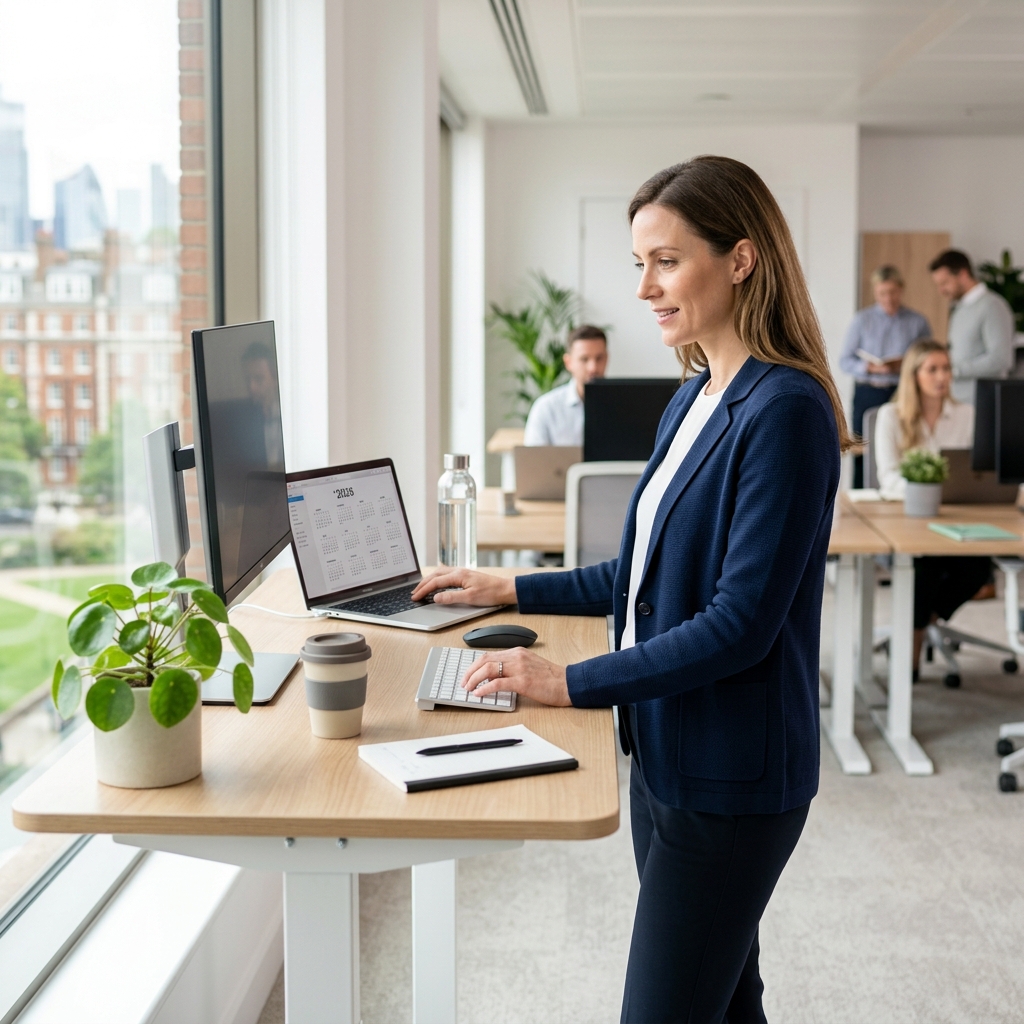
There are two main types:
- Manual Sit-Stand Desks: These require you to physically crank or adjust a mechanism to change the desk height. They are generally more affordable but less convenient for frequent adjustments.
- Electric Sit-Stand Desks: These utilise a motor to raise and lower the desk with the touch of a button. They offer smoother, quicker adjustments and often include programmable height presets.
You can also find desk converters which sit *on top* of your existing desk, offering a height-adjustable surface without needing to replace your entire workstation. The UK home office furniture market has seen a significant boom in these options over the last few years, fuelled by increased awareness of the downsides of prolonged sitting.
The Health Benefits of Sit-Stand Desks
The health implications of prolonged sitting are well documented. Studies by the NHS have linked excessive sitting to an increased risk of cardiovascular disease, type 2 diabetes, and certain types of cancer. A sit-stand desk combats these risks by encouraging more movement throughout the day.
- Reduced Back Pain: Alternating between sitting and standing can alleviate pressure on the spine, reducing back pain. A 2024 study by the British Chiropractic Association found that 65% of participants using a sit-stand desk reported a significant reduction in lower back pain within four weeks.
- Improved Posture: Standing encourages a more natural spinal alignment, leading to better posture.
- Lower Risk of Heart Disease: Increased movement boosts circulation and can lower blood pressure, reducing the risk of heart disease.
- Increased Calorie Burn: While not a replacement for exercise, standing burns more calories than sitting. Over the course of a workday, this can contribute to weight management. Approximately 50-70 extra calories burned per hour standing, equating to over 200 calories a day for a full working day.
- Better Circulation: Standing prevents blood from pooling in the legs, improving circulation and reducing the risk of varicose veins.
Boosting Productivity & Focus with a Sit-Stand Desk
Many UK workers have experienced a shift to remote or hybrid working models. Maintaining focus and productivity in a home environment can be challenging. A sit-stand desk can help!
Standing can increase energy levels and alertness, leading to improved concentration. When you feel sluggish in the afternoon, simply raising your desk can provide a much-needed energy boost. The improved circulation also delivers more oxygen to the brain, enhancing cognitive function. A recent survey by the Federation of Small Businesses showed a 15% reported increase in productivity amongst employees using sit-stand desks.
Sit-Stand Desks & Mental Wellbeing
The link between physical activity and mental health is strong. Exercise releases endorphins, which have mood-boosting effects. While standing at a desk isn’t equivalent to a vigorous workout, it increases physical activity levels and can help reduce stress, improve mood, and combat feelings of lethargy. This is especially important for those working from home, where social interaction and movement opportunities may be limited. Reduced stress levels can also lead to improved sleep quality, further enhancing overall wellbeing.
Choosing the Right Sit-Stand Desk for Your UK Home Office
Selecting the right sit-stand desk requires careful consideration. Here are some key factors:
- Desk Size: Ensure the desk is large enough to accommodate your monitor, keyboard, mouse, and other essential items.
- Height Adjustability Range: The desk should adjust to a height that is comfortable for both sitting and standing, catering to your individual height.
- Weight Capacity: Check the desk’s weight capacity to ensure it can safely support your equipment.
- Stability: A stable desk is crucial for safe and comfortable use. Look for desks with a sturdy frame and a wide base.
- Features: Consider features like cable management, memory settings (to save your preferred heights), and integrated USB ports.
- Budget: Sit-stand desks range in price from around £150 for basic converters to over £800 for high-end electric models.
- Materials & Build Quality: MDF and laminate are common materials. Solid wood desks are more durable but also more expensive.
Top Sit-Stand Desks Available in the UK (2026)
Here’s a comparison of popular models available in the UK market:
| Desk | Price (GBP) | Pros | Cons |
|---|---|---|---|
| FlexiSpot Electric Standing Desk (BQ2-L) | £499 | Excellent value for money, sturdy build, good height range, programmable memory. | Can be slightly noisy during adjustment, limited colour options. |
| Ergotron Sit-Stand Desk Converter | £329 | No assembly required, fits on existing desk, good for smaller spaces. | Reduces desk space, limited height adjustment, can feel less stable. |
| Vari Electric Standing Desk | £749 | Premium build quality, sleek design, very stable, excellent customer service. | Expensive, fewer features compared to some competitors. |
| Autonomous SmartDesk 2 Home | £599 | Stylish design, solid construction, good value, wide range of accessories. | Assembly can be challenging, some reports of motor issues. |
| John Lewis & Partners Adjustable Height Desk | £699 | Trusted brand, good build quality, excellent warranty, UK-based support. | Limited colour options, slightly heavier than some competitors. |
| Amazon Basics Standing Desk Converter | £149 | Very affordable, compact design, easy to set up. | Small work surface, limited adjustability, can feel flimsy. |
| FEZIBO Dual Motor Standing Desk | £399 | Dual motor for increased stability, affordable price, programmable memory. | Build quality is adequate but not premium, assembly required. |
Sit-Stand Desk Accessories: Enhance Your Setup
To maximise the benefits of your sit-stand desk, consider these accessories:
- Active Anti-Fatigue Mat (£30-£80): Provides cushioning and encourages subtle movement while standing.
- Ergotron LX Monitor Arm (£150-£300): Allows you to position your monitor at the optimal height and distance, reducing neck strain.
- Amazon Basics Keyboard Tray (£25-£50): Positions your keyboard at a comfortable height, promoting good posture.
- Active Stool (£80-£150): Provides a perching option, offering a middle ground between sitting and standing.
Tips for Transitioning to a Sit-Stand Desk
Don’t jump straight into standing all day! A gradual transition is key to avoid discomfort.
- Start Slowly: Begin by standing for 30 minutes to an hour each day, gradually increasing the duration over time.
- Listen to Your Body: Take breaks when you feel tired or uncomfortable.
- Alternate Regularly: Switch between sitting and standing every 20-30 minutes.
- Ergonomic Setup: Ensure your monitor, keyboard, and mouse are positioned correctly to maintain good posture. The top of your monitor should be at eye level.
- Proper Footwear: Wear comfortable, supportive shoes.
Are Sit-Stand Desks Worth the Investment? (UK Perspective)
Considering the average UK salary and the long-term health benefits, a sit-stand desk can be a worthwhile investment. While the initial cost may seem significant, the potential reduction in healthcare costs related to back pain, cardiovascular disease, and other sedentary lifestyle-related illnesses can outweigh the expense in the long run. Furthermore, the increased productivity and improved wellbeing can contribute to a more fulfilling and successful work life. For those working from home, a sit-stand desk is no longer a luxury but a valuable tool for maintaining health and performance.
FAQ
Are sit-stand desks expensive?
Prices vary widely, from around £150 for basic converters to over £800 for high-end electric models. However, there are many mid-range options available that offer a good balance of features and affordability.
How often should I stand?
Start slowly and gradually increase the amount of time you spend standing. A good rule of thumb is to alternate between sitting and standing every 20-30 minutes.
Will a sit-stand desk solve all my back pain problems?
Not necessarily. Back pain can have multiple causes. However, a sit-stand desk can significantly reduce back pain caused by prolonged sitting and poor posture.
What is the best height for a sit-stand desk?
The ideal height depends on your individual height and body proportions. Your elbows should be bent at a 90-degree angle when typing, and your monitor should be at eye level.
Do I need any special equipment to use a sit-stand desk?
While not essential, accessories like an anti-fatigue mat and a monitor arm can enhance your comfort and productivity.